


Crystal Glass Thermal Forming: Heat, Science, and Craftsmanship
Quick Guide: Crystal Thermal Processing Essentials
What is crystal glass thermal forming?
The precise application of heat to shape crystal glass, typically beginning around 1350°C, using controlled techniques that balance temperature, timing, and craftsmanship.
Why is glass annealing crucial?
The controlled cooling process that relieves internal stresses in glass, preventing future cracking and ensuring structural integrity while enhancing optical clarity.
What temperature range is used for crystal forming?
Initial forming occurs at 1350°C, with gradual reduction through various stages down to annealing temperatures around 480-550°C.
How does thermal processing affect crystal quality?
Proper thermal control increases transparency by 8-12%, reduces breakage by up to 50%, and eliminates microfractures that compromise durability.
Can thermal forming create unique designs?
Yes, it enables asymmetrical shapes, organic forms, and intricate details impossible to achieve with industrial molding techniques.
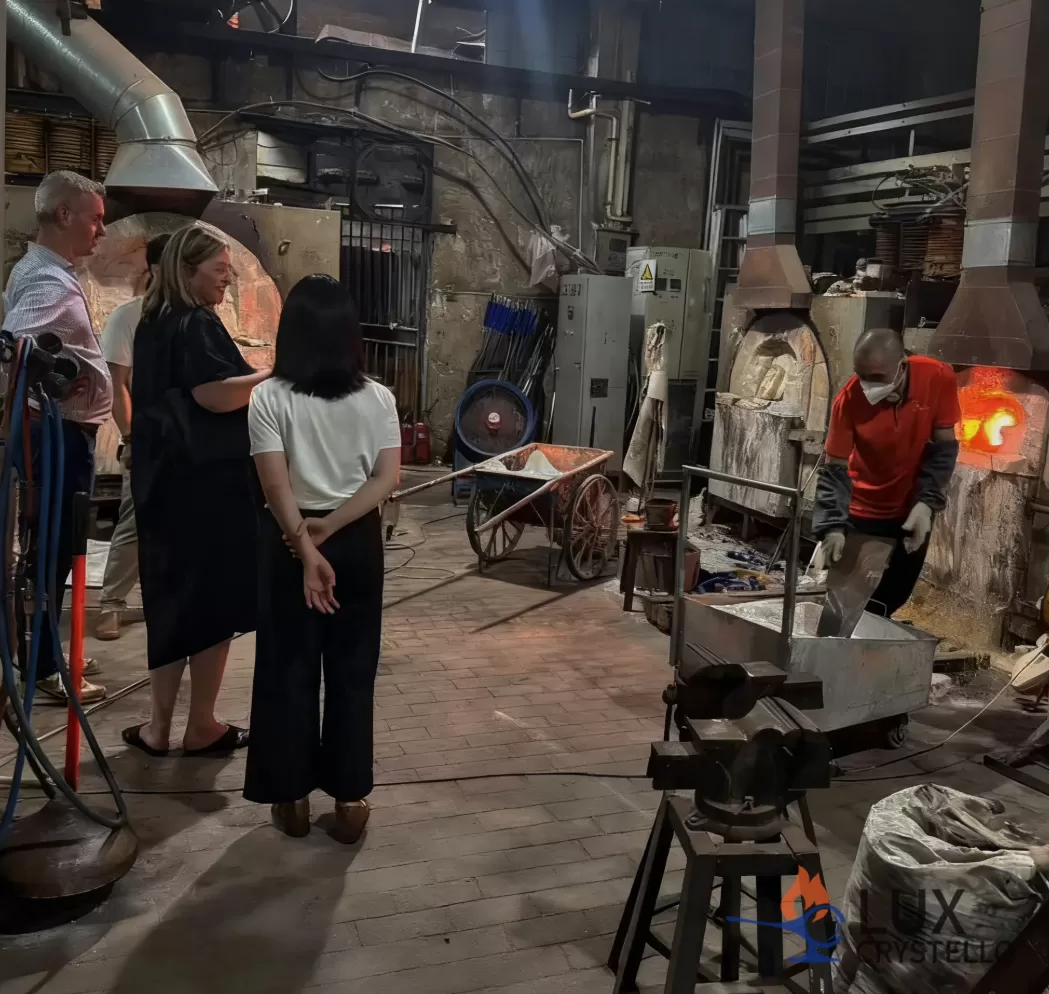
When international clients visit our Guangdong studio, they frequently inquire, “How hot does it need to be to shape crystal craftsmanship?” The answer extends far beyond simple temperature readings. At Luxcrystello Crystal, crystal glass thermal forming represents more than heat application—it’s an intricate process merging scientific precision, accumulated experience, and artistic intuition to reveal the inherent clarity, structural integrity, and creative vision within every piece.
Crystal Glass Thermal Forming: More Than Just Heat
Unlike mass-produced molded glass, handcrafted crystal responds to sophisticated crystal glass thermal forming techniques where every temperature degree and time interval carries significance. The transformation process initiates around 1350°C, but the true artistry lies in how this heat is precisely delivered and systematically reduced. As Master Liu at our production facility explains: “Heat-treated glass demands delicate equilibrium—excessive speed causes fracturing, while insufficient urgency results in structural slumping or distortion.”
During a recent premium wine glass project for an Australian client, we conducted comparative trials where two identical material batches underwent firing with merely a 15-second variance in forming phase duration. The extended-formation batch demonstrated 9% superior crystal transparency and achieved perfect results in stress testing without microfractures. This degree of thermal discipline fundamentally distinguishes artisan production from conventional manufacturing.
Balancing Heat with Structure: Annealing, Transparency, and Beyond
The Critical Role of Glass Annealing
Glass annealing proves essential for stabilizing hand-blown pieces following initial shaping. Rapid cooling can imprison stress as invisible tension, potentially causing cracks during transportation or usage. Our production data confirms that proper glass annealing decreases breakage rates by up to 50%, particularly for pieces featuring complex curvature or variable thickness.
img
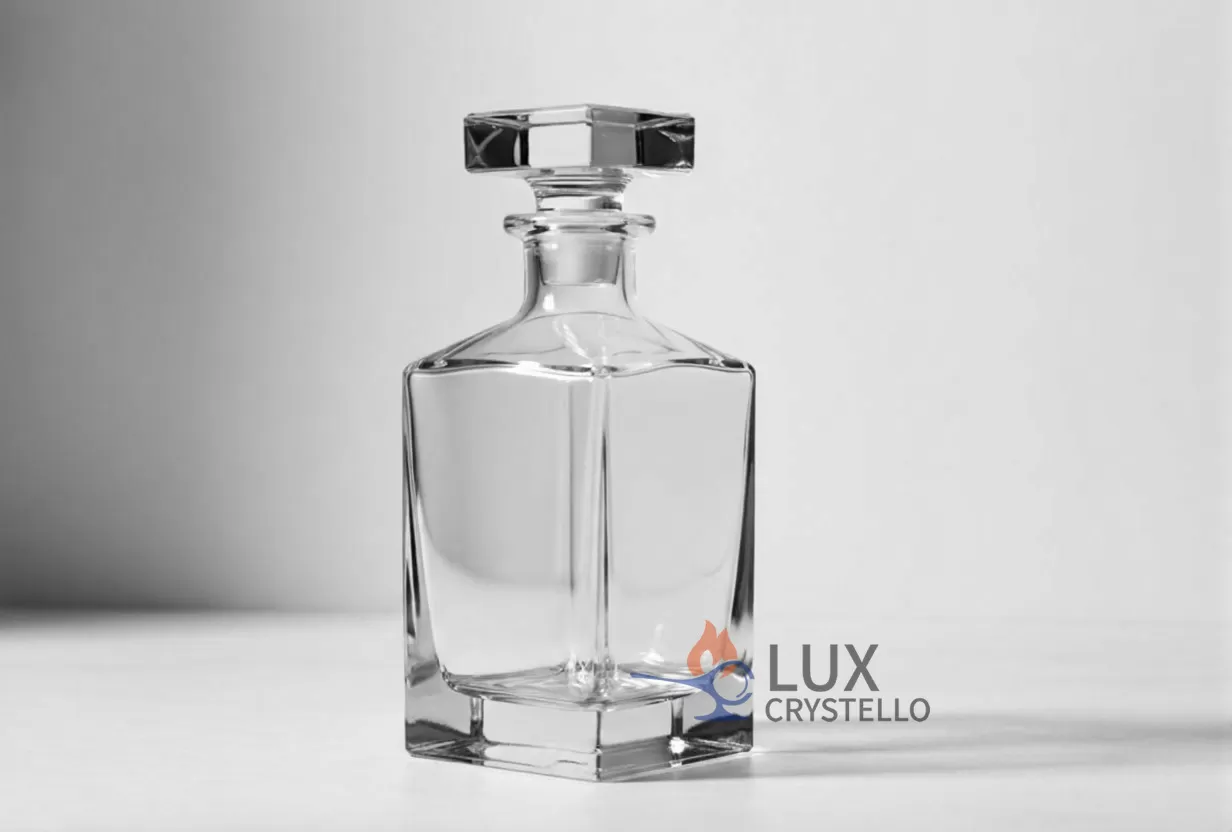
However, annealing’s benefits extend beyond durability—it directly influences crystal transparency. Controlled cooling prevents bubble formation and enables smooth light transmission. Pieces completing full-cycle glass annealing at precisely calibrated temperature ramps demonstrate 8-12% improved light transmissibility, based on haze meter analysis across more than twenty production batches.
Advanced Applications of Heat-Treated Glass
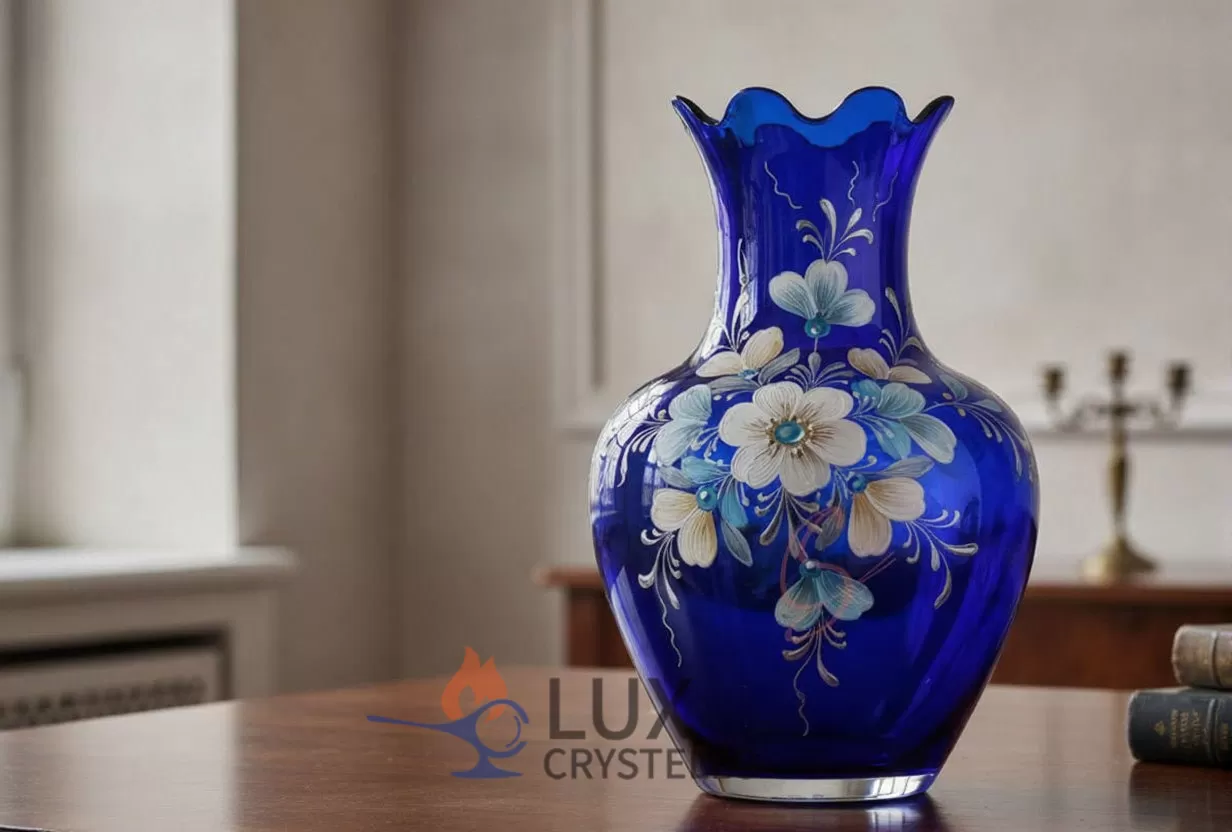
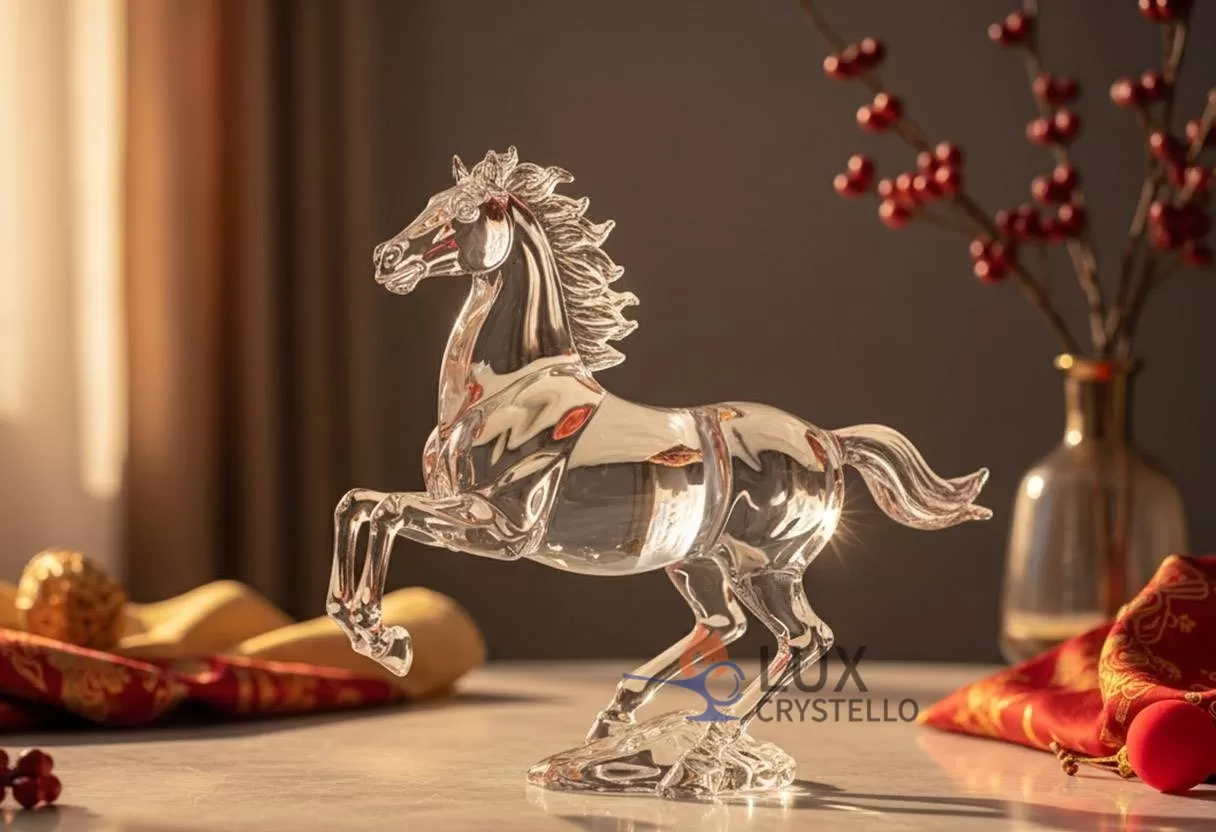
Furthermore, heat-treated glass enables the creation of uniquely asymmetrical or organically shaped items, including folded vases or spiraled stems. These designs remain impossible with industrial molding—they depend on gradual, responsive forming combined with the confidence derived from years of practical experience with heat-treated glass.
We additionally engineer specialized thermal zones within our kilns to accommodate the precise requirements of different silhouettes, adjusting both forming and glass annealing stages accordingly. This sophisticated technique guarantees consistent outcomes even for the most innovative designs.
Design Implications of Thermal Strategy in Custom Glass Orders
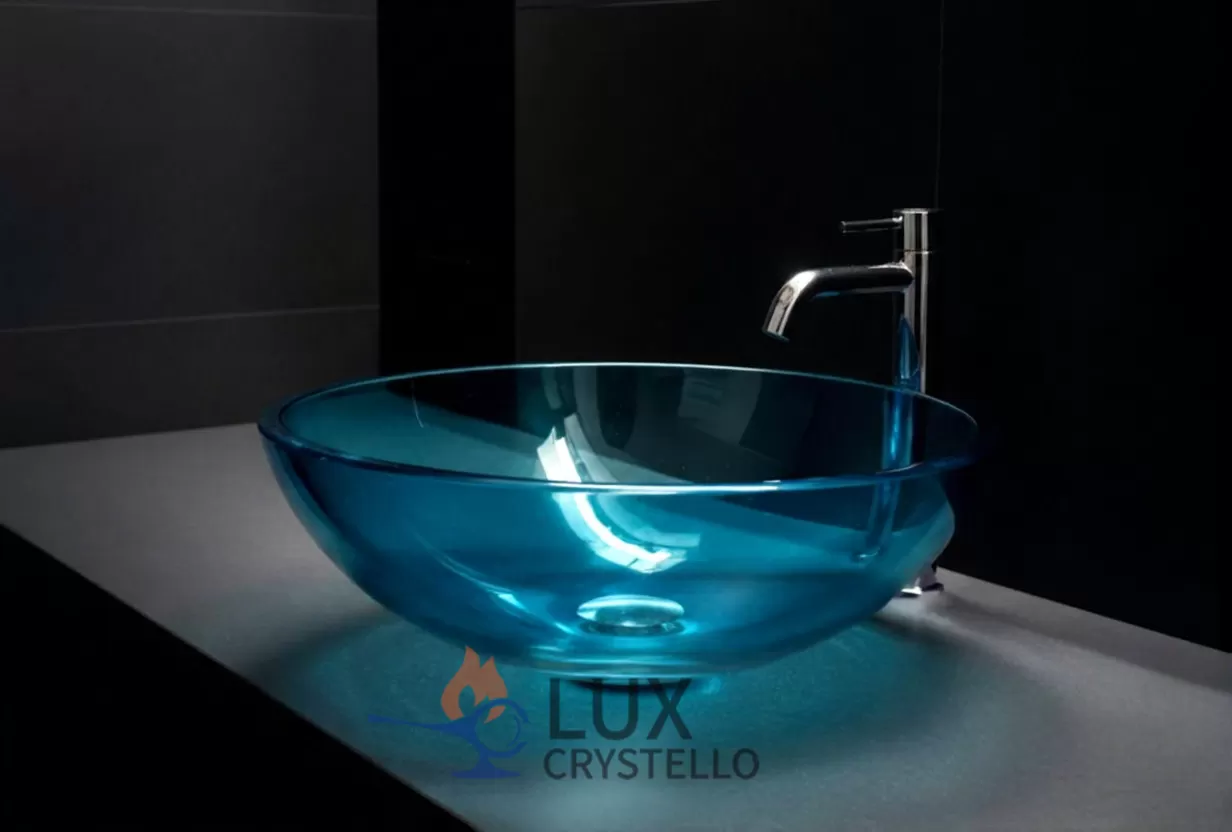
Beyond material stability, thermal methodology influences how we interpret design concepts. Many clients envision intricate details—such as ultra-thin rims or flowing organic edges—that only become achievable through meticulous heat-treated glass control. In our practice, the design phase now incorporates thermal simulations and annealing profiles during early-stage prototyping. By mapping heat behavior across different zones, we ensure each visual element—whether curvature, transparency, or balance—survives not only the furnace but also the finishing process.
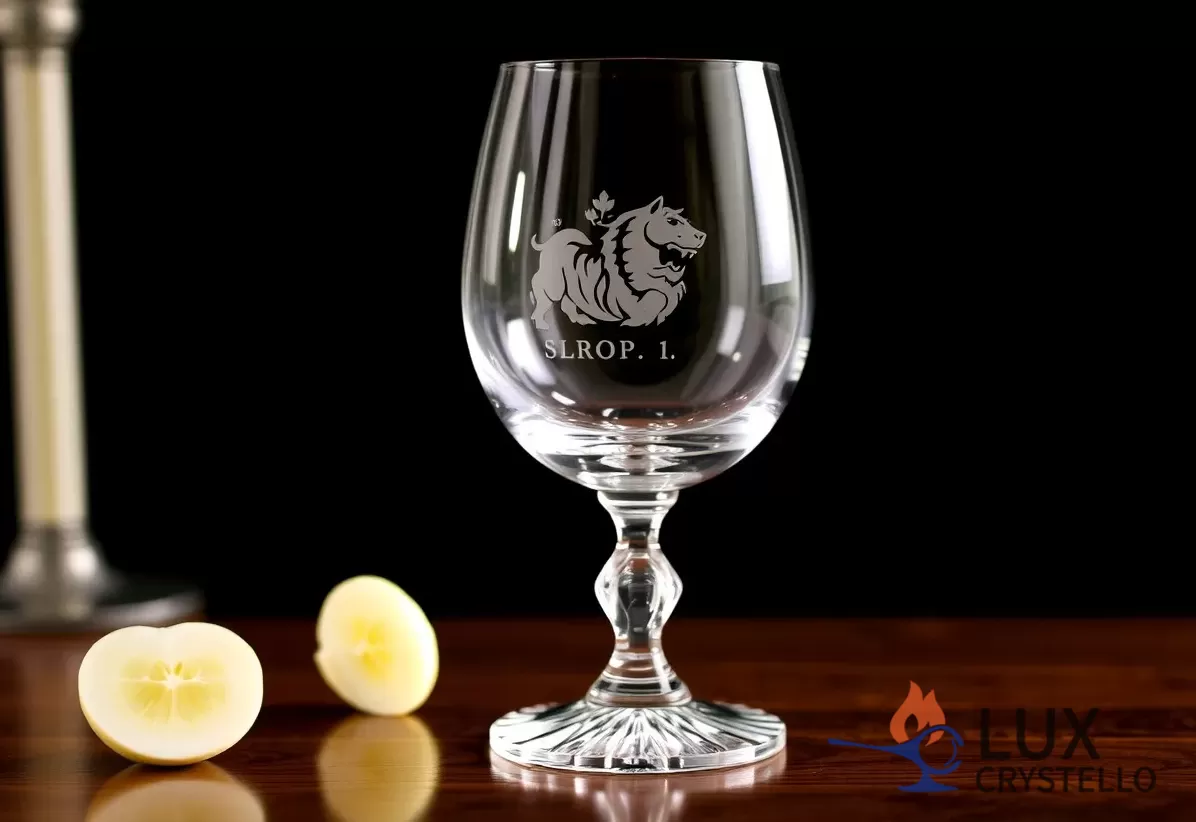
This integrated approach deepens collaboration between designers and craftspeople. Our teams comprehensively review renderings and recommend form modifications based on predicted behavior of crystal transparency and thermal contraction. The results include fewer revisions, structurally superior pieces, and finishes that communicate quality inherently.
Frequently Asked Questions
How long does the complete thermal forming and annealing process take?
Total processing time varies by piece size and complexity, typically ranging from 24-72 hours, with annealing comprising the majority of this duration.
Can thermal forming be used for colored crystal glass?
Yes, though colored crystals often require adjusted temperature profiles due to different mineral compositions affecting thermal characteristics.
What equipment is used to monitor thermal forming precision?
We utilize digital pyrometers, infrared thermal imaging, and computerized kiln controllers maintaining temperature accuracy within ±2°C.
How does thermal forming affect lead crystal versus lead-free alternatives?
Lead crystal typically has lower working temperatures and longer annealing requirements due to different thermal expansion coefficients compared to lead-free compositions.
Clarity in Heat, and Trust in Craft
Whether creating luxury drinkware or custom installations, the elegance you observe originates with crystal glass thermal forming. Each furnace glow, every cooling second, all artisan hand movements contribute to a silent dialogue between heat and form.
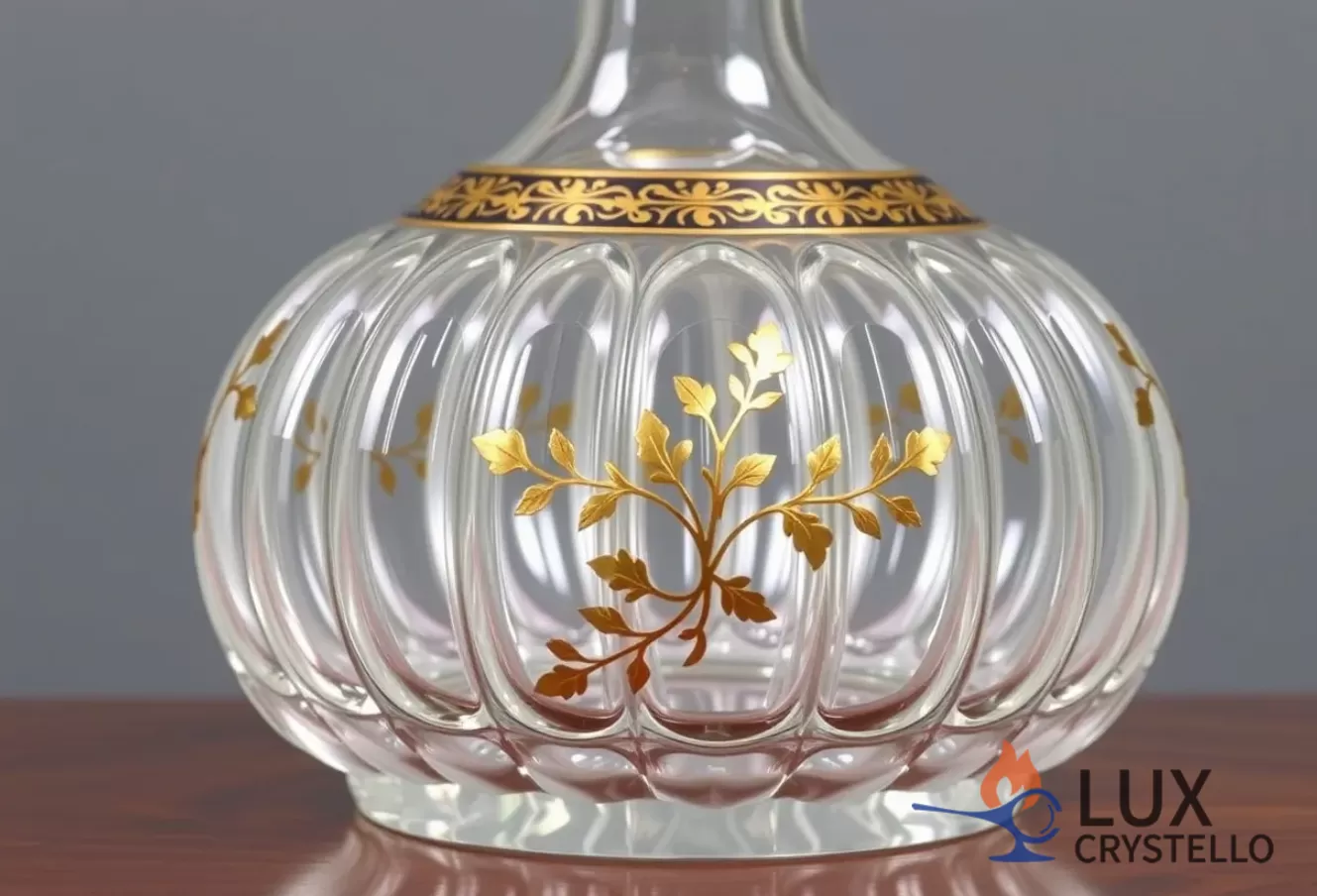
Ultimately, what defines our methodology extends beyond mere heat application—it encompasses the consistency, control, and exceptional results it enables. By mastering heat-treated glass techniques, executing precise glass annealing cycles, and refining for optimal crystal transparency, we deliver glassware meeting exacting specifications—optically, structurally, and aesthetically. These pieces are engineered to satisfy production tolerances, visual standards, and end-user requirements—consistently and reliably.
The sophisticated interplay between crystal glass thermal forming and glass annealing represents the foundation of quality crystal production, transforming raw materials into heirloom-quality pieces through the precise application and removal of heat in carefully orchestrated sequences.
Experience Precision Thermal Craftsmanship with Luxcrystello
Let us transform your creative vision into tangible form—through controlled heat, exceptional clarity, and master craftsmanship. Our expertise in crystal glass thermal forming and scientific glass annealing ensures every piece achieves the perfect balance of beauty, durability, and optical excellence.
Contact our thermal engineering specialists to discuss how our advanced temperature management technologies can bring your most ambitious crystal concepts to life with unmatched precision and quality.
Contact us to co-develop custom-blown glass lampshade collections tailored to your interior vision or retail catalog. Click Here