


Understanding Hookah Structure and Function: The Science, Craft, and Culture Behind a Timeless Design
Core Keywords: hookah structure and function, airflow engineering, traditional hookah craftsmanship
FAQ:
Q: What is the basic working principle of a hookah?
A: The hookah structure and function relies on a simple yet precise system: charcoal heats flavored tobacco in the bowl, creating smoke. This smoke is drawn down through the stem, filtered and cooled by water in the base, and then inhaled through the hose. The bubbling sound indicates balanced air pressure.
Q: How does airflow engineering impact the smoking experience?
A> Airflow engineering ensures smooth, consistent draws by optimizing the diameter and path of the stem, the water level in the base, and the seal between components. Proper engineering prevents harshness, maintains flavor, and delivers cooler, denser smoke.
Q: What role does traditional craftsmanship play in modern hookahs?
A> Traditional hookah craftsmanship provides the foundation for design, material selection, and assembly techniques that ensure durability and performance. Even in modern manufacturing, principles like hand-engraving, precise metal joining, and glassblowing are valued for their quality and cultural authenticity.
The fascination with hookah lies not only in its visual beauty but also in the precision of its design. To truly appreciate its appeal, one must explore hookah structure and function, where every component—from bowl to base—serves both an aesthetic and mechanical purpose. Rooted in centuries of innovation, the hookah is an elegant balance of art and physics, shaping how smoke cools, flows, and interacts with water before it reaches the user.
Hookah Structure and Function: A System of Balance
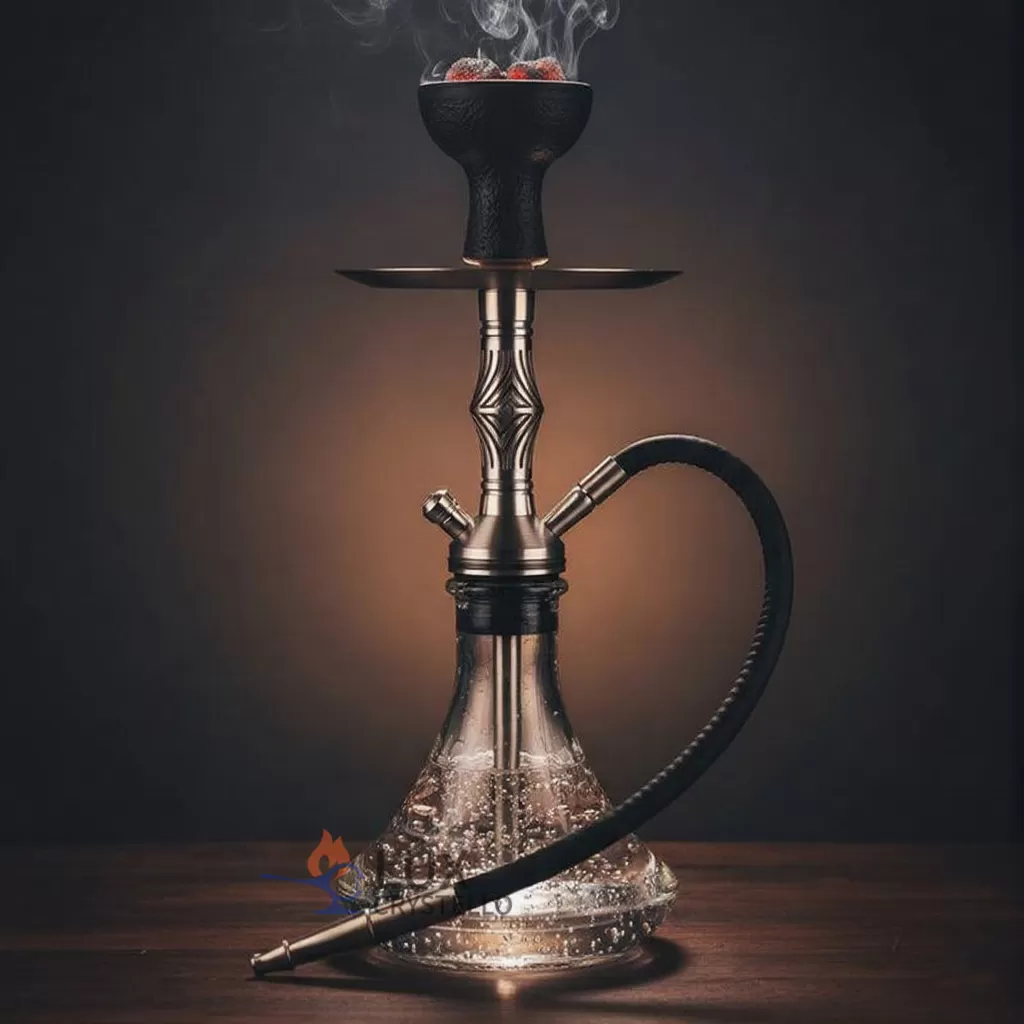
A hookah operates as a controlled airflow engineering system. The bowl holds the flavored tobacco (shisha), heated by charcoal that releases vaporized smoke. This smoke travels down through the stem and into the water base, where it is filtered and cooled before returning through the hose. The rhythmic bubbling sound signals that air pressure is balanced, ensuring a consistent draw and smooth flavor profile.
Each material used—metal, glass, silicone, or ceramic—affects the efficiency of this process. The hookah’s geometry directly impacts smoke density, making hookah structure and function a perfect example of craftsmanship guided by physics.
Core Components and Airflow Engineering
To understand hookah structure and function, it’s important to see how each component works together as an integrated system. The bowl holds the shisha mixture and transfers heat evenly from the charcoal, ensuring consistent vaporization. The stem and downstem guide the smoke downward into the water base while regulating airflow engineering, maintaining pressure balance and cooling efficiency. The base itself contains the water that filters impurities, stabilizes the setup, and anchors the entire device for smooth operation. Finally, the hose and purge valve enable effortless inhalation and help refresh the air between puffs, keeping the smoke clean and flavorful throughout each session.
Traditional Hookah Craftsmanship and Material Selection
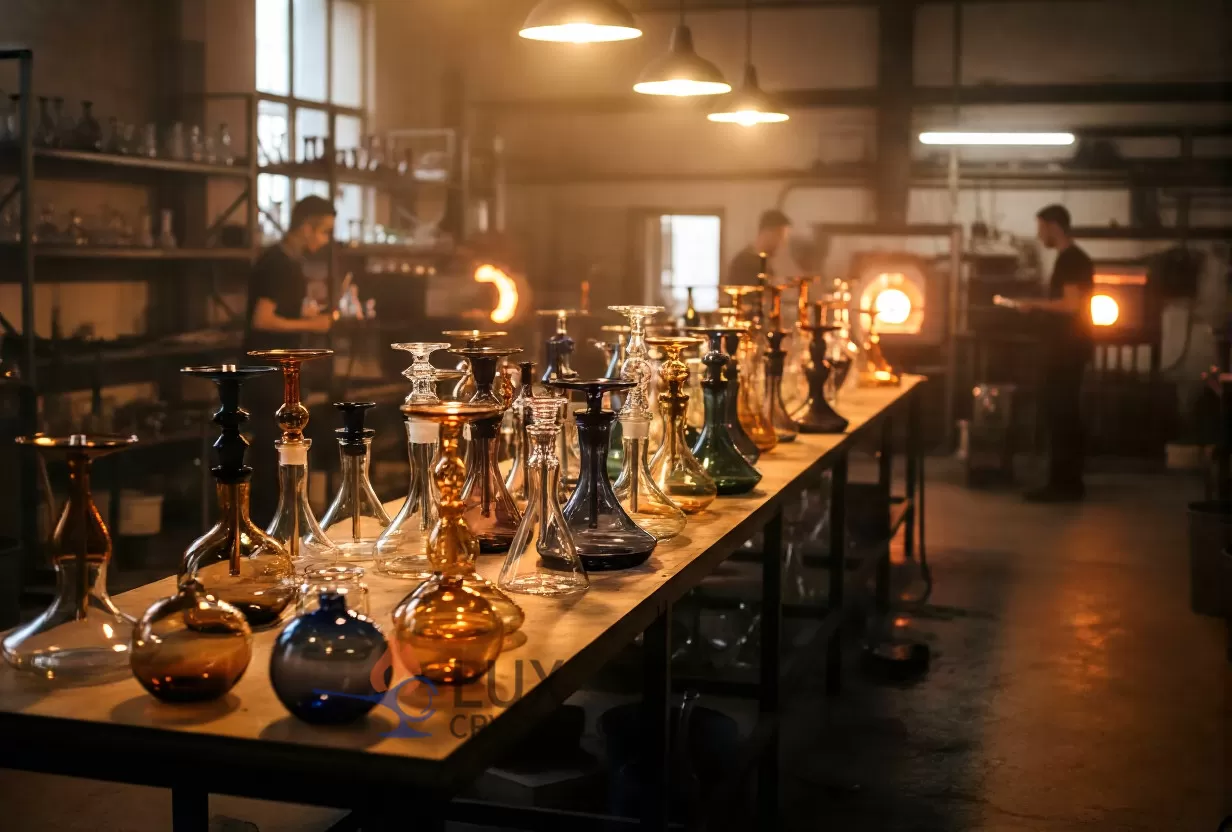
While modern hookahs use advanced machining, traditional hookah craftsmanship continues to define the device’s soul. Egyptian and Turkish artisans still produce hand-engraved brass stems and hand-blown glass bases, blending form and function. This artistry ensures that each piece reflects local culture and engineering wisdom passed down through generations.
A well-balanced hookah structure and function depends on accurate fitting and durable materials. Stems made of stainless steel offer corrosion resistance, while borosilicate glass bases maintain temperature integrity. The precision joining of these components exemplifies centuries of traditional hookah craftsmanship evolved through modern standards of airflow engineering.
Cultural and Social Dimensions
Beyond mechanics, hookah structure and function symbolize connection and community. In Middle Eastern and Mediterranean societies, sharing a hookah embodies hospitality and trust. The very design encourages communal participation—its long hose and stable base facilitating group enjoyment. Today, high-end lounges across Europe and Asia reinterpret this ritual, pairing ancient aesthetics with modern materials and ergonomics born from airflow engineering.
Conclusion
Understanding hookah structure and function reveals that this is not just a smoking tool—it’s a synthesis of science, culture, and craftsmanship. From controlled airflow to balanced geometry, the hookah endures because it harmonizes human design with natural physics.
Luxcrystello Crystal: Where Heritage Meets Precision Engineering
For enthusiasts or brands seeking authentic quality, Luxcrystello Crystal continues to refine traditional hookah craftsmanship, integrating precision airflow engineering into every glass base and metal stem. The result: hookahs that honor heritage while performing with modern excellence.
With advanced glassblowing and finishing capabilities, Luxcrystello Crystal manufactures hookahs in a wide range of shapes and styles—from classical silhouettes to bold modern forms—demonstrating exceptional expertise in glass forming, cutting, and polishing. Each piece reflects the company’s pursuit of precision and artistry, making Luxcrystello Crystal a trusted partner for brands seeking high-performance hookahs that combine functional mastery with timeless beauty.
Experience the perfect synthesis of art, science, and tradition. Contact Luxcrystello Crystal today to discover hookahs engineered for superior performance and crafted for enduring beauty.